Minerals overview
NZ Minerals, LLC
NZ Mineral Estate: Legacy Resources and Emerging Opportunities
A Vast and Strategic Mineral Footprint
NZ Legacy owns nearly 1 million acres of mineral rights spanning northern Arizona, New Mexico, and southern Colorado, making it one of the largest private mineral estates in the western United States.
Of these holdings:
305,000 acres lie beneath the Navajo Reservation.
Over 200,000 acres are located beneath Navajo Allottee lands in New Mexico.
Additional acreage exists under or adjacent to federal and tribal lands, often with split estates between surface and mineral ownership.
In 2002, Congress passed, and President George W. Bush signed into law, a precedent-setting bill allowing the former owners of NZ to transfer their mineral rights beneath a small Acoma/Pueblo reservation in New Mexico in exchange for cash or federal lands of equal value. This legislative “trial balloon” successfully demonstrated the federal government’s willingness to perfect or “unify” title to tribal land by compensating private mineral owners.
Based on this success, NZ anticipates the potential to monetize significant portions of its reservation-based mineral estate—either through direct compensation, federal land exchanges, or development partnerships. This pathway represents one of the most immediate sources of value within NZ’s mineral portfolio.
A Century of Geological Discovery
NZ’s mineral legacy dates back to 1917, when geologist Andrew C. Lawson conducted a comprehensive survey of the company’s lands in Arizona and New Mexico. His report noted:
Coal seams in the Mesa Verde formation near the Valencia Tract.
Gold placer potential along the western edge of the Mohave Tract.
An oil sand outcrop in the McKinley Tract, suggesting future drill potential.
While some areas lacked immediate promise, others were identified as worthy of deeper exploration—especially for coal and oil-bearing formations.
In the 1990s, geologist J.D. Sphar conducted a broader review of NZ’s mineral estate, concluding that the following minerals had been discovered or indicated within company-owned subsurface rights:
Petrified Wood
Coal
Potash
Kaolin (Industrial Clay)
Uranium
Travertine
Oil
Helium
These resources reflect both historical discoveries and modern relevance—particularly helium, uranium, potash, travertine and kaolin clay which are increasingly strategic in today’s energy and technology markets.
Forward-Looking Value
NZ Fee Minerals: Proven Resources with Untapped Potential
These holdings are not only historically significant but also strategically valuable, representing both proven resources and speculative upside in underexplored formations. The estate spans diverse geological zones known to host critical energy and industrial minerals.
Dual Value: Tangible Resources and Speculative Potential
The value of NZ’s mineral estate rests on two pillars:
Known Resource Deposits: Including uranium, travertine, coal, potash, industrial clays, oil, and petrified wood—discovered and documented through decades of exploration.
Intrinsic and Speculative Worth: Mineral rights are titled real property—an estate with enduring legal and speculative value. Even where economic extraction is not yet viable, untapped potential remains, especially when geologic investigation can increase value through future discoveries or shifting market dynamics.
Summary of Key Resources
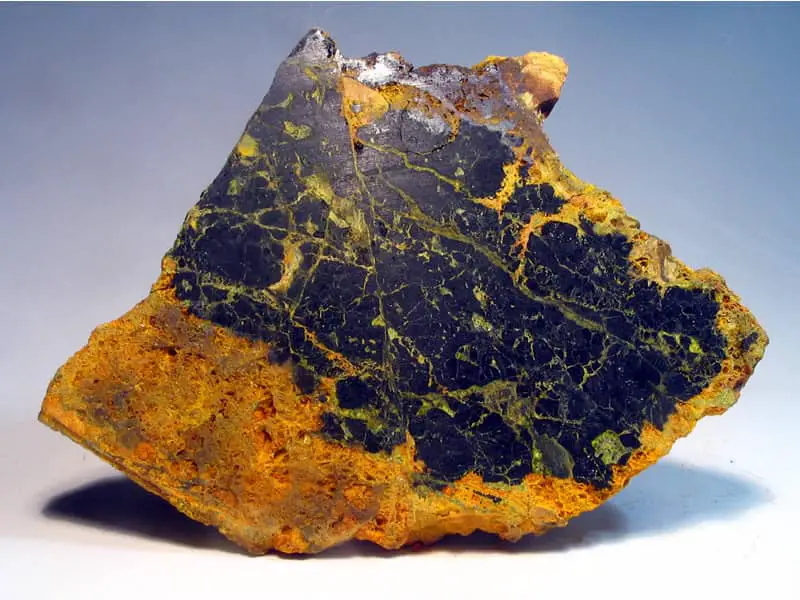
Uranium
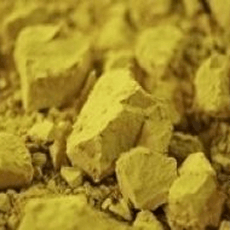
Uranium is among the most economically promising minerals on NZ’s lands. In the Crownpoint–Hosta Butte region of New Mexico, well-defined deposits contain an estimated 55 million pounds of uranium, which is amenable to in-situ leach (ISL) mining at costs of nearly $20 per pound. The Hansen Deposit in Colorado has an additional 35 million pounds of Uranium. Historically, this resource generated over $1 million in leasehold revenue. As global demand for clean nuclear energy increases, these deposits remain a core strategic asset.
Travertine (Calcium Carbonate)
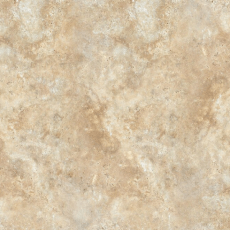
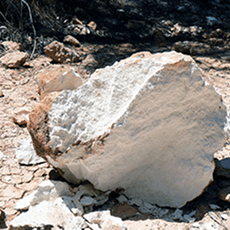
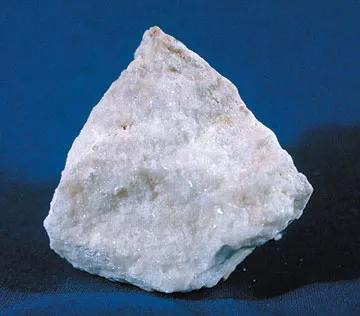
Located on NZ’s checkerboard lands along Mesa del Oro, west of Albuquerque, this billion-ton deposit of travertine limestone (over 95% calcium carbonate) is well-defined by drilling. NZ holds six full sections (surface and minerals). Potential uses include:
Flue gas scrubbing for power plants
Cement and lime production
Dimension stone and decorative tile
Road base, ballast, and rip-rap aggregate
This deposit is poised for future commercial development.
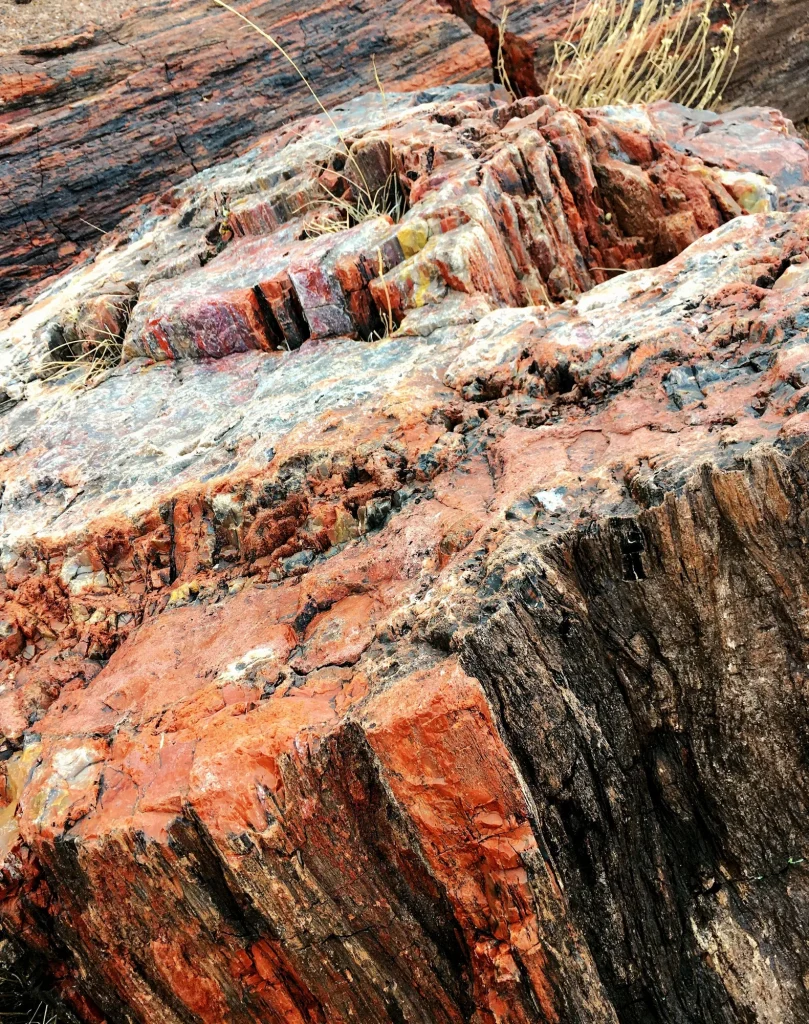
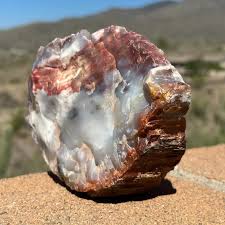
Petrified Wood
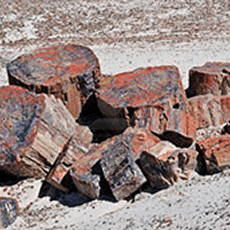
Once the world’s largest commercial deposit, NZ’s petrified wood holdings were absorbed mainly by the creation of the Petrified Forest National Park in 1906. Remaining deposits on the Milky Ranch are valued at approximately $350,000. Petrified wood is used in lapidary arts and as a component in semi-precious jewelry. Historical royalties and asset sales have exceeded $800,000.
Helium
The Holbrook basin has had significant Helium production at Pinta Dome, and a number of other wells on NZ Lands have had significant shows of Helium mixed with CO2 gases. NZ has leased these rights to PetroSun, which is attempting to enter the helium production market.
Oil
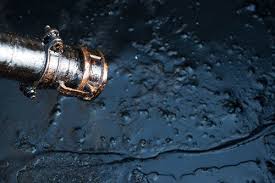
NZ’s only confirmed oil production occurred at the Nose Rock Oil Pool, discovered in 1986 as a follow-up to a uranium core hole anomaly. Approximately 60,000 barrels of light sweet crude were produced. While additional small pools may exist, most remaining petroleum prospects are considered frontier wildcats, requiring substantial investment and political coordination, especially for areas such as the Acoma Reservation.
Coal
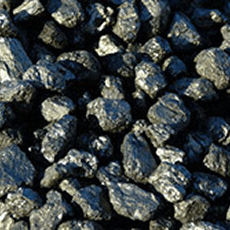
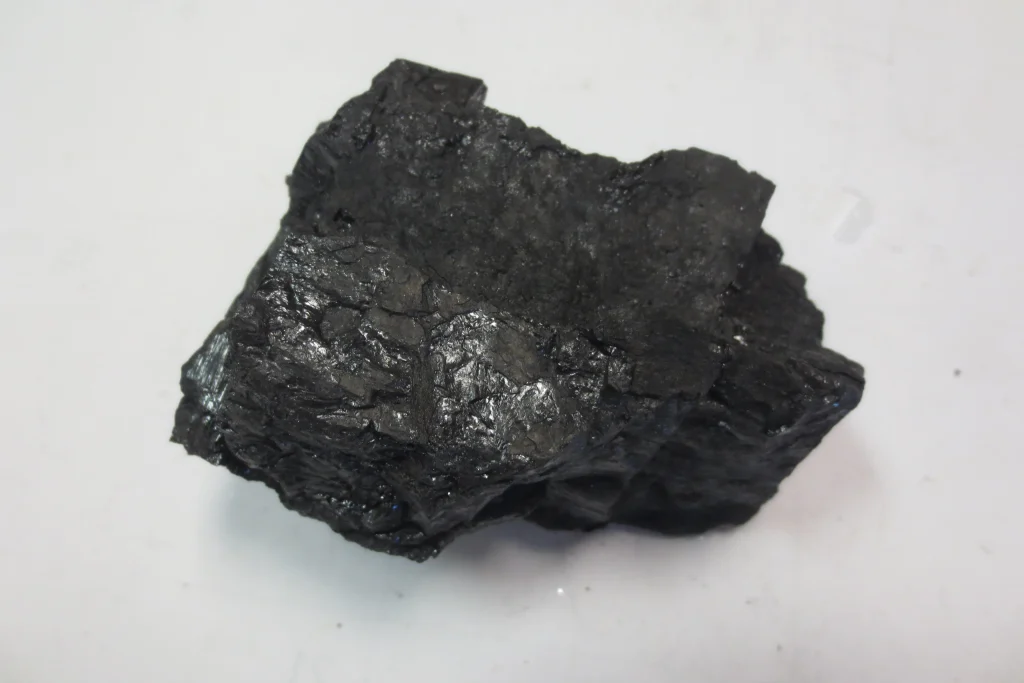
Significant coal seams in McKinley County, New Mexico, were identified as early as 1917. By 1962, estimates based on surface studies reached 160 million tons. Exploration intensified during the 1970s energy crisis, and one 2-million-ton strippable deposit was permitted but never mined. Due to current economics and energy transition trends, large-scale coal development is unlikely.
Potash
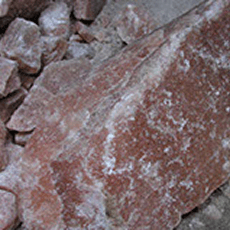
NZ’s potash was among the first minerals discovered by drilling. However, global market shifts—particularly the dominance of Saskatchewan’s high-grade potash—have reduced its viability. That said, in a joint venture with Hunt Oil, over $35 million was invested to delineate a NI 43-101 compliant deposit of more than 58 million tons, confirming the strategic value of this asset under the right market or policy conditions.
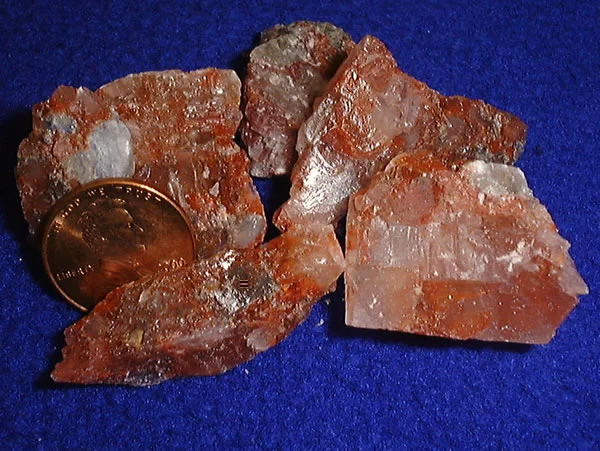
Kaolin and Industrial Clays (Klannerite)
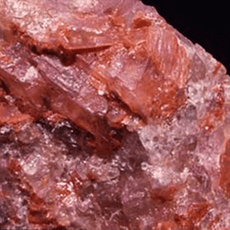
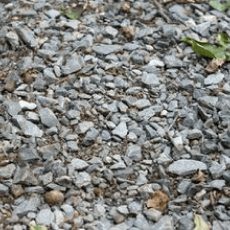
A localized deposit of altered bedrock, commercially referred to as Klannerite, exists on 80 acres in Mohave County, Arizona. While small in scale and not currently demonstrated to be continuous, it may have niche applications in industrial ceramics or fillers.
Associated Mineral Potential
Geological formations hosting NZ’s known resources may also contain associated or companion minerals, which could be revealed through deeper exploration or re-evaluation. Examples include:
Uranium zones often contain vanadium, molybdenum, and rare earth elements (REEs)
Potash-bearing formations may include sylvite, langbeinite, lithium, and magnesium salts
Travertine and limestone regions may also hold gypsum or high-purity dolomite
Coal seams can be accompanied by coalbed methane or critical trace elements
Petrified wood deposits may indicate underlying silica, uranium, or jasper formations
Looking Ahead
While some NZ mineral zones have been intensively studied, vast areas remain underexplored, especially those beneath Indian reservations where title complications have discouraged past investment. With increasing demand for critical minerals, new exploration technologies, and shifting federal policy around tribal land unification and mineral security, NZ’s mineral estate holds both present value and future promise.
Legacy Resources. Emerging Opportunities.
A Vast and Strategic Mineral Footprint
NZ Minerals owns nearly 1 million acres of mineral rights across Northern Arizona, New Mexico, and Southern Colorado—making it one of the largest private mineral estates in the Western United States.
Key Land Holdings:
- 305,000 acres lie beneath the Navajo Reservation
- 200,000+ acres are beneath Navajo Allottee lands in New Mexico
- Additional acreage is located under or adjacent to federal and tribal lands, often involving split estates(separate surface and mineral ownership)
In 2002, a landmark federal law enabled the former owners of NZ to exchange mineral rights under a small Acoma/Pueblo reservation for cash or federal lands of equal value. This precedent showed the federal government’s willingness to unify tribal land title through fair compensation.
Based on this success, NZ foresees multiple value realization pathways:
- Direct compensation
- Federal land exchanges
- Development partnerships
This strategy represents a significant near-term opportunity within NZ’s portfolio.
A Century of Geological Discovery
NZ’s mineral legacy began in 1917, with geologist Andrew C. Lawson’s extensive survey of the estate. His findings included:
- Coal seams in the Mesa Verde Formation (Valencia Tract)
- Gold placer potential along the Mohave Tract
- Oil sand outcrops in the McKinley Tract
While some areas lacked short-term promise, Lawson identified zones with strong coal and oil-bearing potential.
In the 1990s, geologist J.D. Sphar expanded exploration and confirmed a broader array of minerals within NZ’s subsurface rights:
- Petrified Wood
- Coal
- Potash
- Kaolin (Industrial Clay)
- Uranium
- Travertine
- Oil
- Helium
These resources offer a mix of historic discoveries and modern strategic value, especially in today’s energy and technology markets.
Forward-Looking Value
NZ Fee Minerals: Untapped Potential, Proven Value
NZ’s holdings are both historically rich and strategically positioned, offering:
- Proven resources with economic value
- Speculative potential in underexplored formations
Dual Value Proposition:
- Tangible Assets – uranium, travertine, coal, potash, oil, kaolin, petrified wood
- Speculative Upside – mineral rights are titled property with enduring legal and market value, even where current extraction isn’t viable
Key Resources Overview
Uranium
- Crownpoint–Hosta Butte region, NM: ~55 million pounds, amenable to in-situ leach (ISL) mining at ~$20/lb
- Hansen Deposit, CO: ~35 million pounds
- Over $1 million in historical leasehold revenue
- Positioned as a strategic asset amid rising nuclear energy demand
Travertine (Calcium Carbonate)
- Located on Mesa del Oro, west of Albuquerque
- Billion-ton deposit, 95%+ purity, defined by drilling
- Uses:
- Flue gas scrubbing
- Cement & lime production
- Decorative stone, tile
- Road base, ballast, rip-rap
- NZ holds six full sections (surface and mineral)
Petrified Wood
- Formerly part of the world’s largest deposit (pre-1906 National Park creation)
- Remaining holdings on Milky Ranch valued at ~$350,000
- Over $800,000 in historical royalties and asset sales
- Used in lapidary arts and semi-precious jewelry
Helium
- Holbrook Basin: Notable helium presence near Pinta Dome
- NZ wells show helium-rich CO₂ gas mixes
- Rights leased to PetroSun, aiming to enter helium production

Oil
- Discovered in Nose Rock Oil Pool (1986): ~60,000 barrels of light sweet crude
- Triggered by uranium core anomaly
- Remaining prospects are wildcat wells requiring investment and coordination—especially under Acoma Reservation
Coal
- Found in McKinley County, NM; identified as early as 1917
- 160 million tons estimated by 1962
- One 2-million-ton strippable deposit permitted in the 1970s but never mined
- Large-scale development currently unlikely due to economic and environmental trends
Potash
- One of the earliest confirmed resources by drilling
- Market weakened by Saskatchewan’s high-grade dominance
- Joint venture with Hunt Oil confirmed 58+ million tons (NI 43-101 compliant) with $35+ million invested
Kaolin (Industrial Clay / Klannerite)
- 80-acre deposit in Mohave County, AZ
- Limited scale; potential for niche ceramic or filler markets
- Commercially known as “Klannerite”
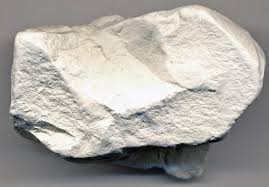
Associated Mineral Potential
NZ’s mineral-rich formations may also host companion minerals revealed through further exploration:
- Uranium zones → vanadium, molybdenum, rare earth elements (REEs)
- Potash deposits → sylvite, langbeinite, lithium, magnesium salts
- Travertine regions → gypsum, high-purity dolomite
- Coal seams → coalbed methane, trace elements
- Petrified wood zones → underlying silica, uranium, jasper
Looking Ahead
Much of NZ’s estate remains underexplored, particularly under tribal lands where title complications have historically limited investment.
However, with:
- Rising demand for critical minerals
- Evolving federal policy around tribal land unification
- Advancements in exploration technology
NZ’s mineral estate stands as a uniquely positioned asset with both immediate value and long-term potential.
Mineral History: 1917 to Present
On August 18, 1917, a geologist for NZ, Andrew C. Lawson, studied the company’s mineral assets in Arizona and New Mexico and formed the following summary results.
“The reconnaissance of the Winslow, Holbrook and Valencia districts has yielded negative results, no indications of oil or of any other mineral deposits that would affect the value of the land having been found, except that in the Mesa Verde formation of the extreme westerly townships of the Valencia Tract, coal seams may be found by more detailed search.
On the western margin of the Mohave Tract, near McConnico, it is probable that gold placers may be developed, but there is no prospect of other mineral deposits being found in the lands now patented.
In the McKinley Tract, the most important deposits are coal seams, which occur on the north side of the broad east-west valley which traverses the tract. An oil sand outcrops for about two miles in the northwest corner of the tract which is worthy of investigation by drilling, although the structural
conditions within the limits of the tract are not favorable for the storage of oil. The oil sand outcrop, however established the fact that structural conditions were found in the territory to the north of the tract, oil might be developed. (Approved as a condensed form of my report.)”

J.D. Sphar, NZ
geologist,
J.D. Sphar, NZ geologist, conducted a detailed review of NZ’s mineral estate in the early 1990s. At the time, NZ held over one million acres of mineral rights across the American Southwest. His summary offers both a historical inventory and a forward-looking view of the estate’s potential:
“Certain deposits of natural resources have been delineated over the years on NZ’s mineral rights including, in order of their discovery: petrified wood, coal, potash, industrial clay, uranium, travertine, oil, and helium.
Beyond the possible future values from exploitation of these discovered resources, the mineral rights per se also remain intrinsically valuable because of their potential for future mineral discovery.
Given the amount of research and exploration to date, the potential for new discovery is more constrained than wide open. Geologic data is relatively sparse and, hence, the potentials for discovery are less constrained on the blocks of Indian Reservation minerals.”
Visit Espiritu Loci’s Mineral Maps Website.
Read a geological report highlighting mineral potentials.







particular mineral resource
To learn more about a particular mineral resource and how it is being utilized, select a link below: